26.06.2026
From laboratory to patient: the II International Forum "Week of Urology and Oncology" was held in Ufa
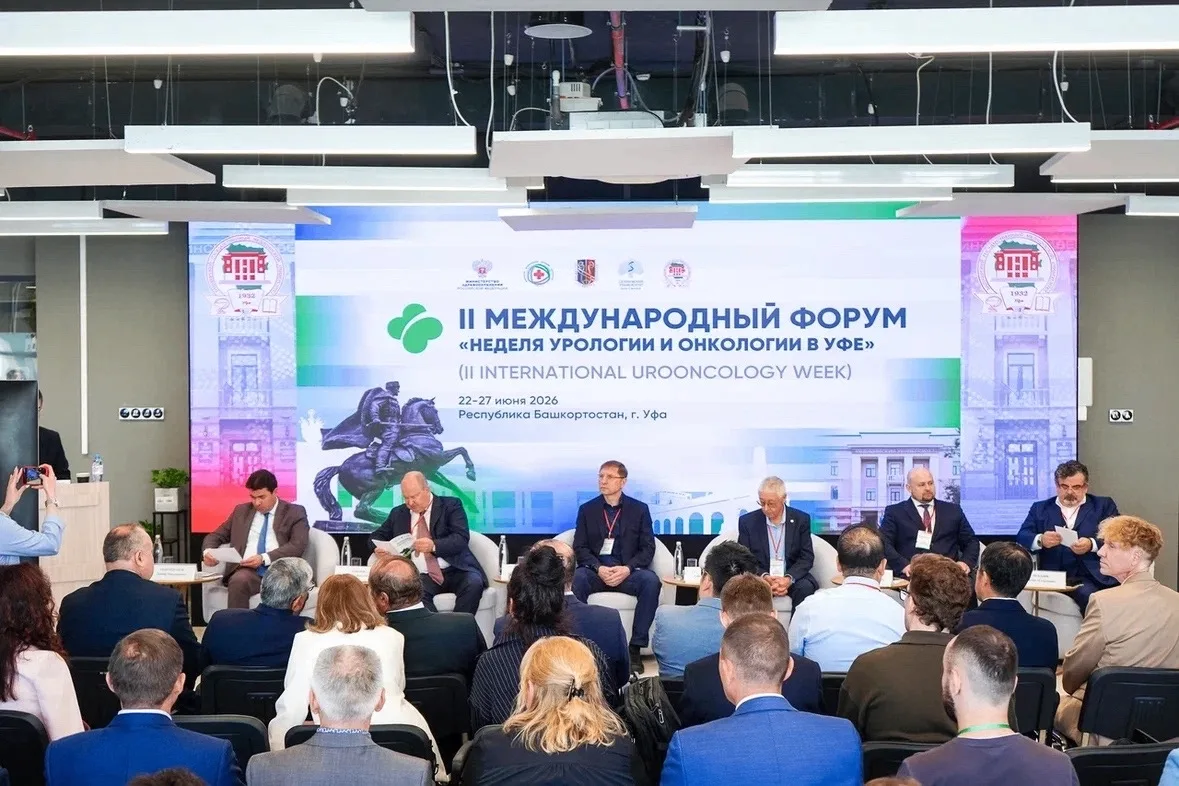
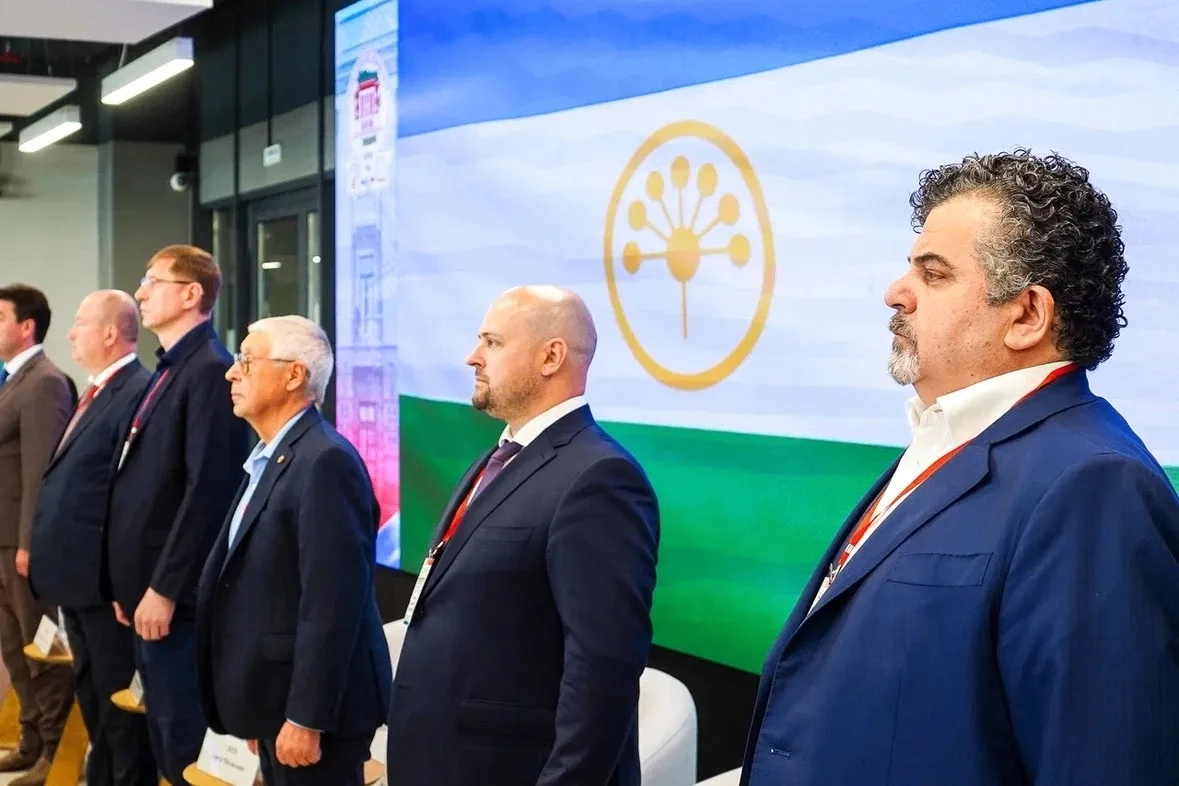
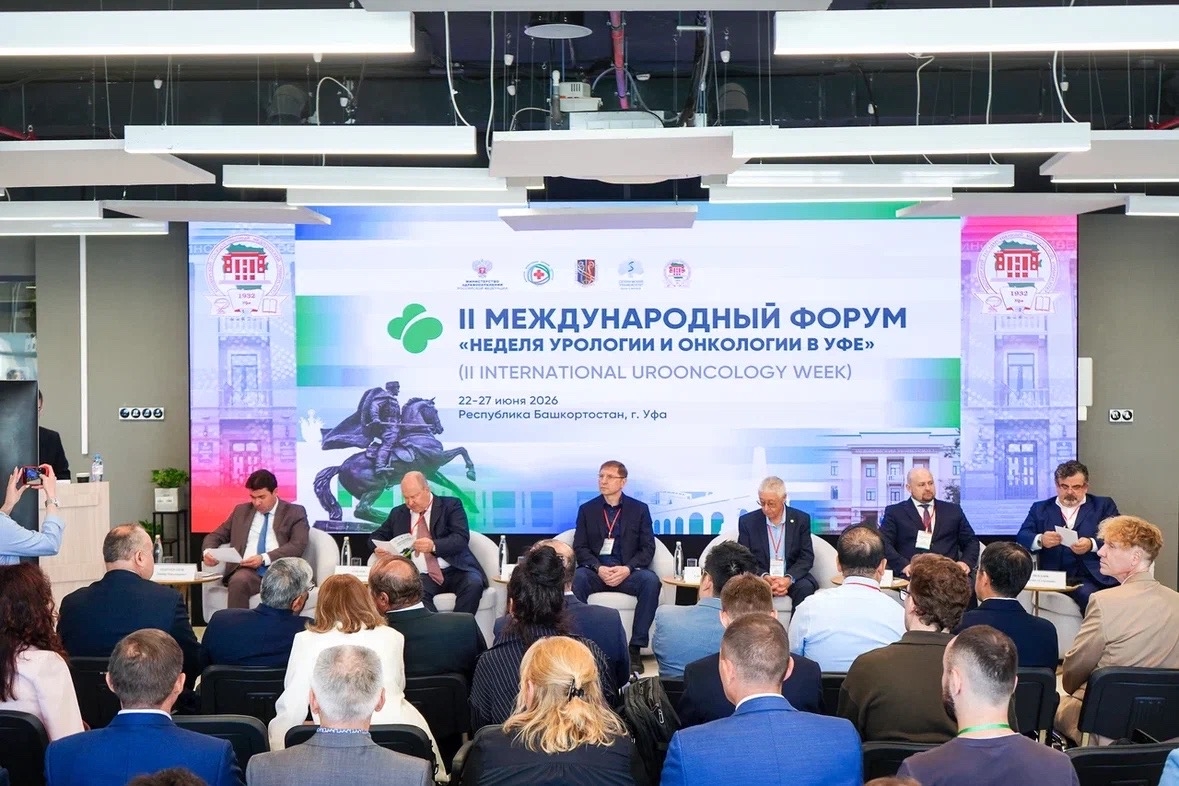
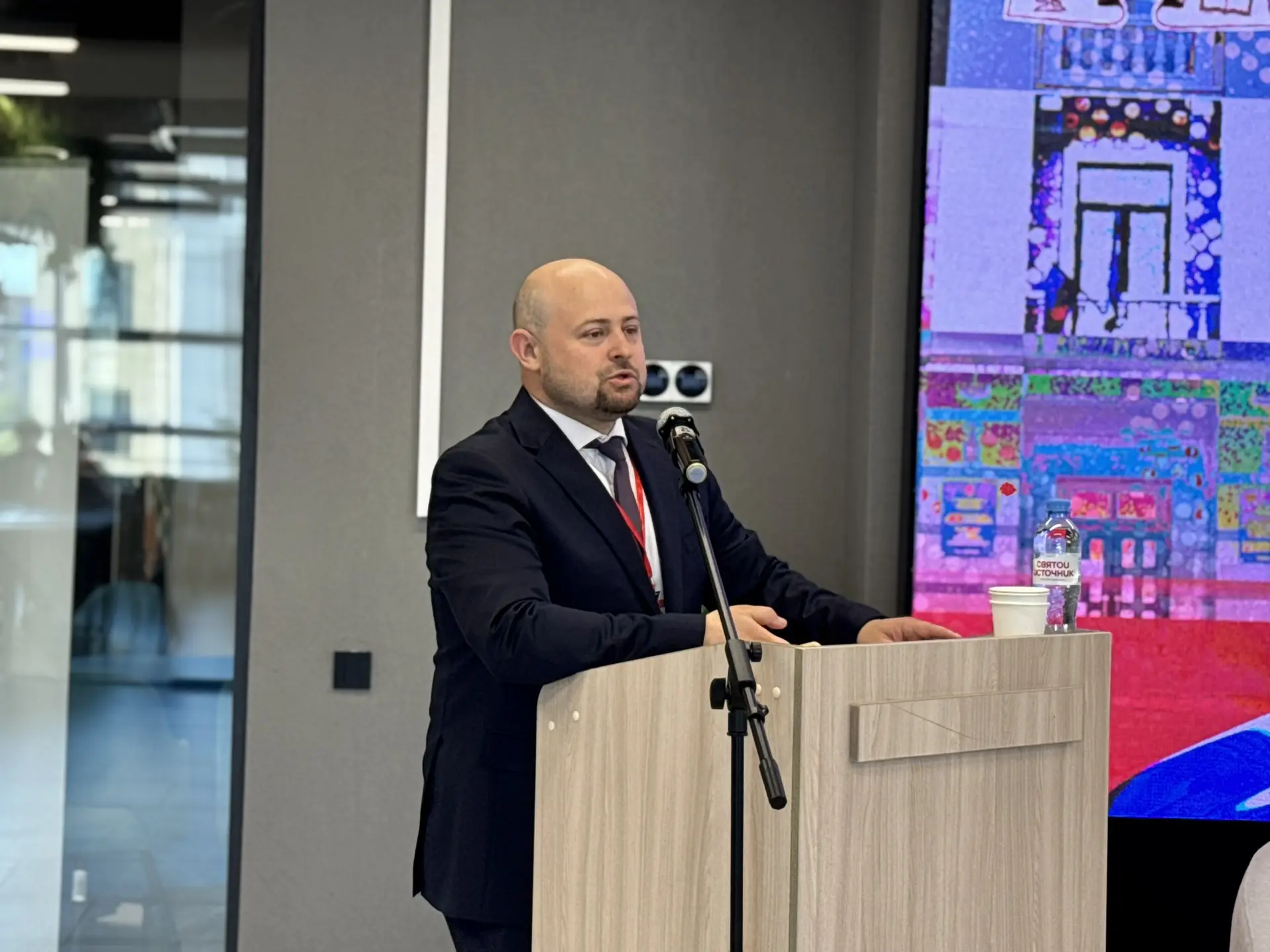
From June 22 to June 27, the Bashkir State Medical University of the Ministry of Health of Russia became the venue for the II International Forum "Week of Urology and Oncology in Ufa." The event was organized by the Bashkir State Medical University with the support of the Ministry of Health of the Russian Federation, the Russian Society of Urologists, the First Moscow State Medical University named after Sechenov of the Ministry of Health of Russia (Sechenov University). All the main events of the forum were held at the Interuniversity Student Campus of the Eurasian REC of the world level and at the clinical bases of BSMU.
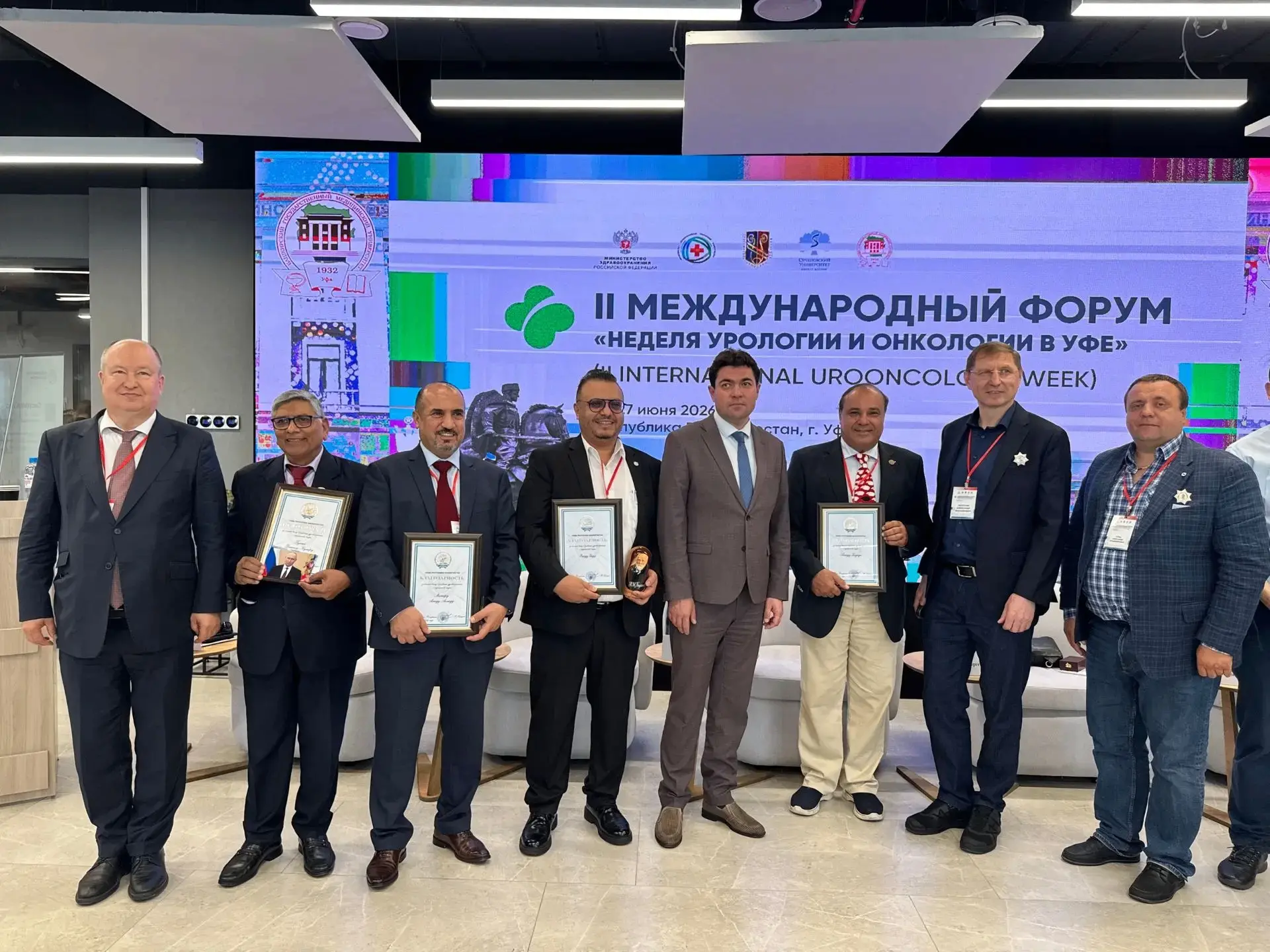
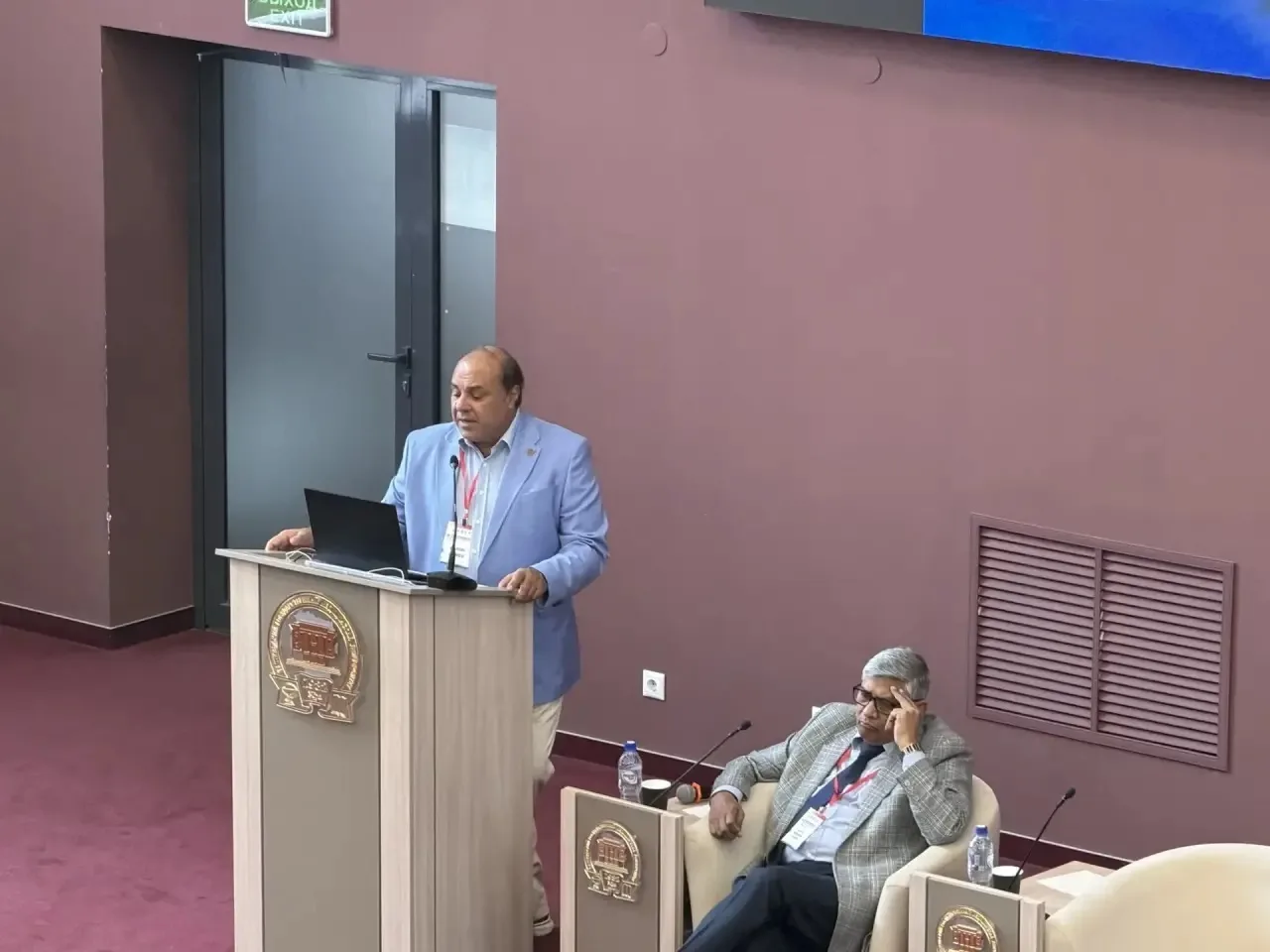
The forum brought together leading experts on one site: this time experts from Russia, Germany, Egypt, India, China, Italy and other countries met here.
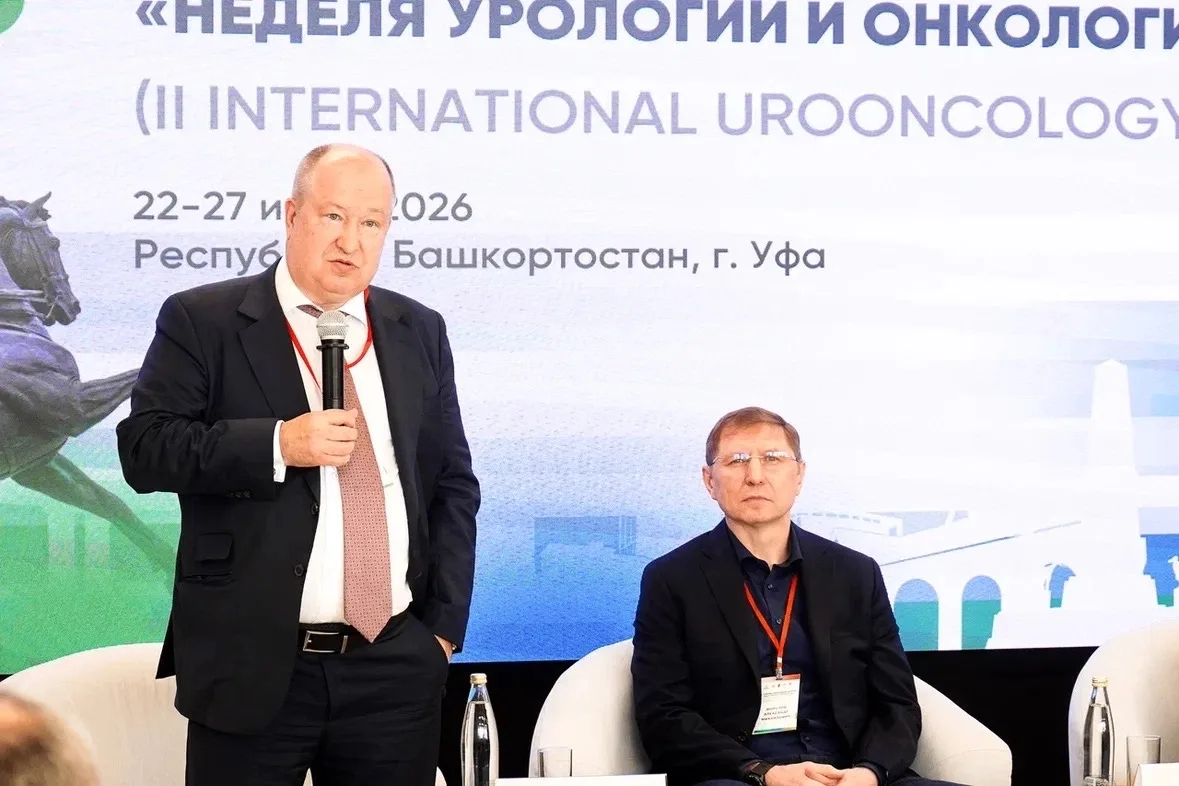
"This forum is already a traditional, second forum, where we bring together leading experts in the field of medicine, medical science, practical implementation and production on one site based on our world-class campus. And a distinctive feature of this event is that completely different specialists, and practical doctors, and researchers, and scientists can meet here in a week to exchange the most advanced scientific achievements for setting new tasks for research," BSMU rector, academician of the Russian Academy of Sciences, professor Valentin Pavlov said.
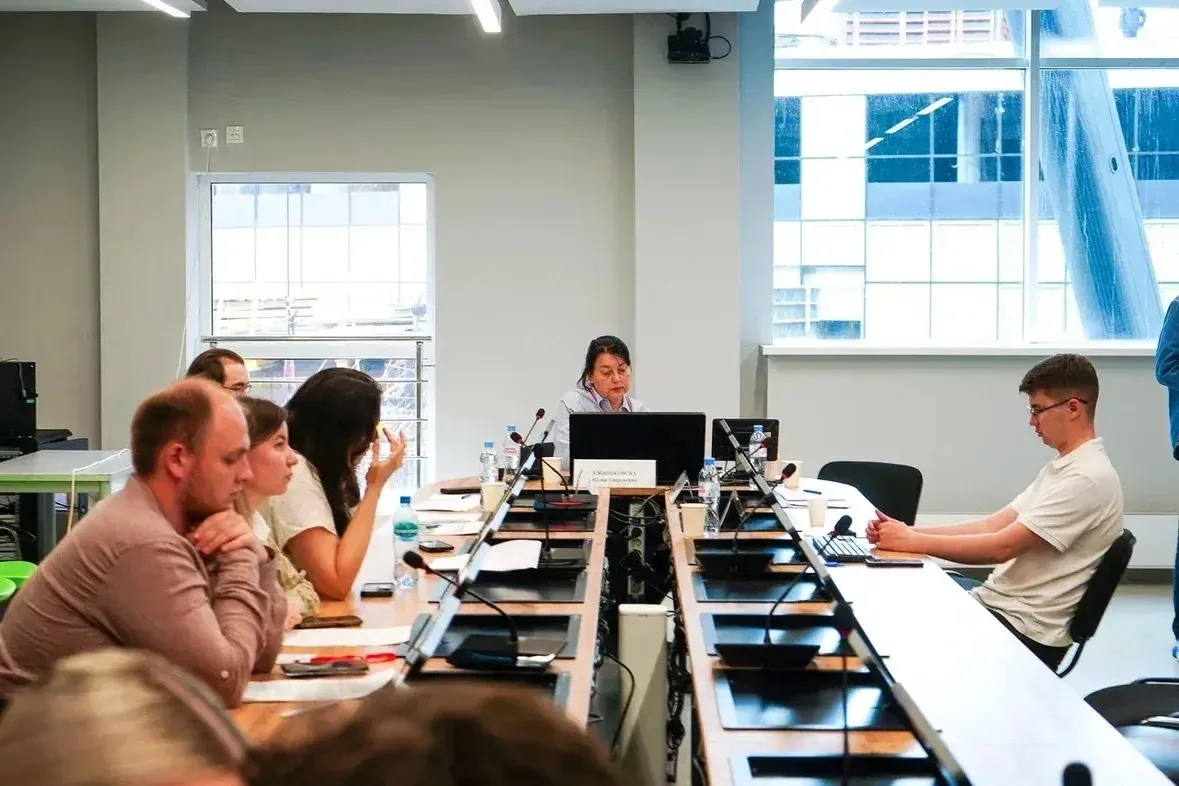
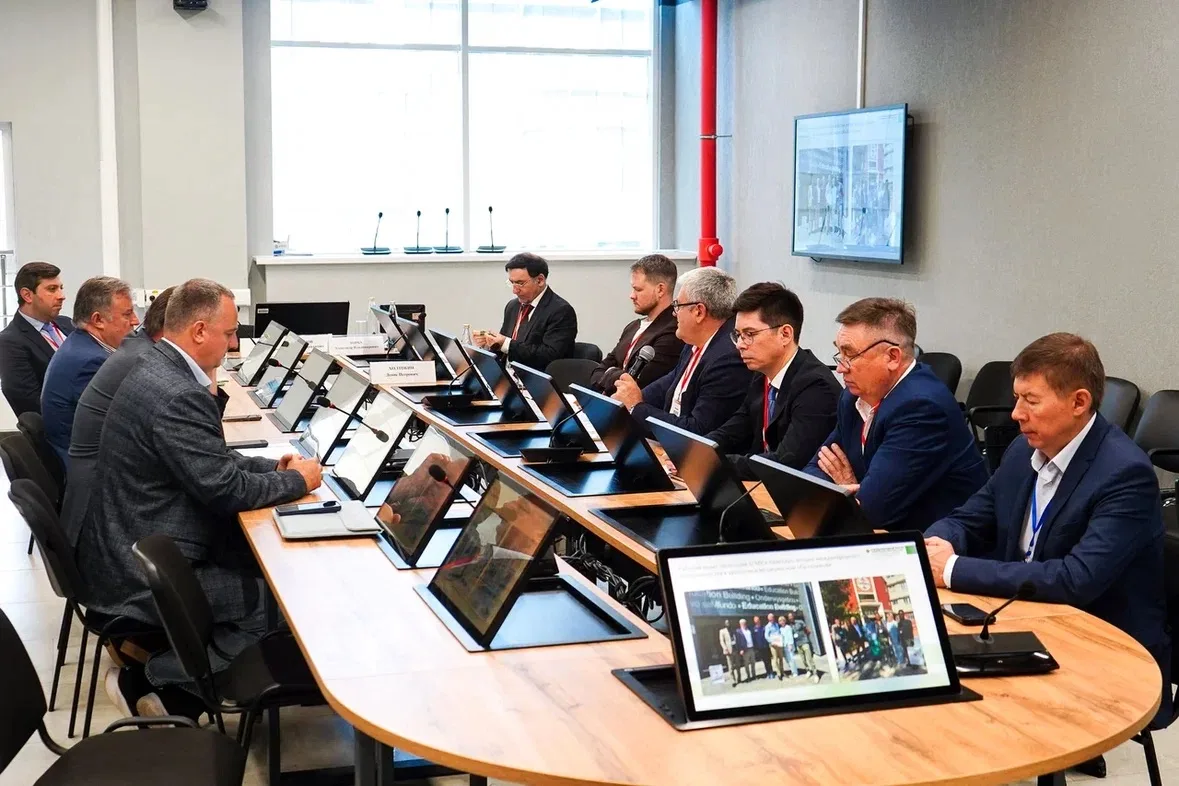
An important part of the forum was the scientific and educational agenda. Clinical residents who study on the Scientific Residency program passed an intermediate certification by submitting a report on the studies performed. A significant part of the work is devoted to the introduction of digital technologies, the creation of innovative methods of therapy, the study of the microbiome, immune cells and genetic markers of the development of diseases. In addition, on the sidelines of the forum, a meeting of the main freelance urologists of the Ministry of Health of Russia of the regions of the Volga Federal District was held. Experts discussed the best practices of organizing medical care and the introduction of modern approaches to the treatment of urological diseases in regions with various demographic and geographical features.
Special attention was paid to advanced medical technologies. Within the framework of the session on nuclear medicine, leading experts considered the modern possibilities of radionuclide therapy in oncourology, promising areas of targeted anti-cancer therapy, as well as issues of radiation and environmental safety of the radiopharmaceutical in a multidisciplinary clinic, and much more.
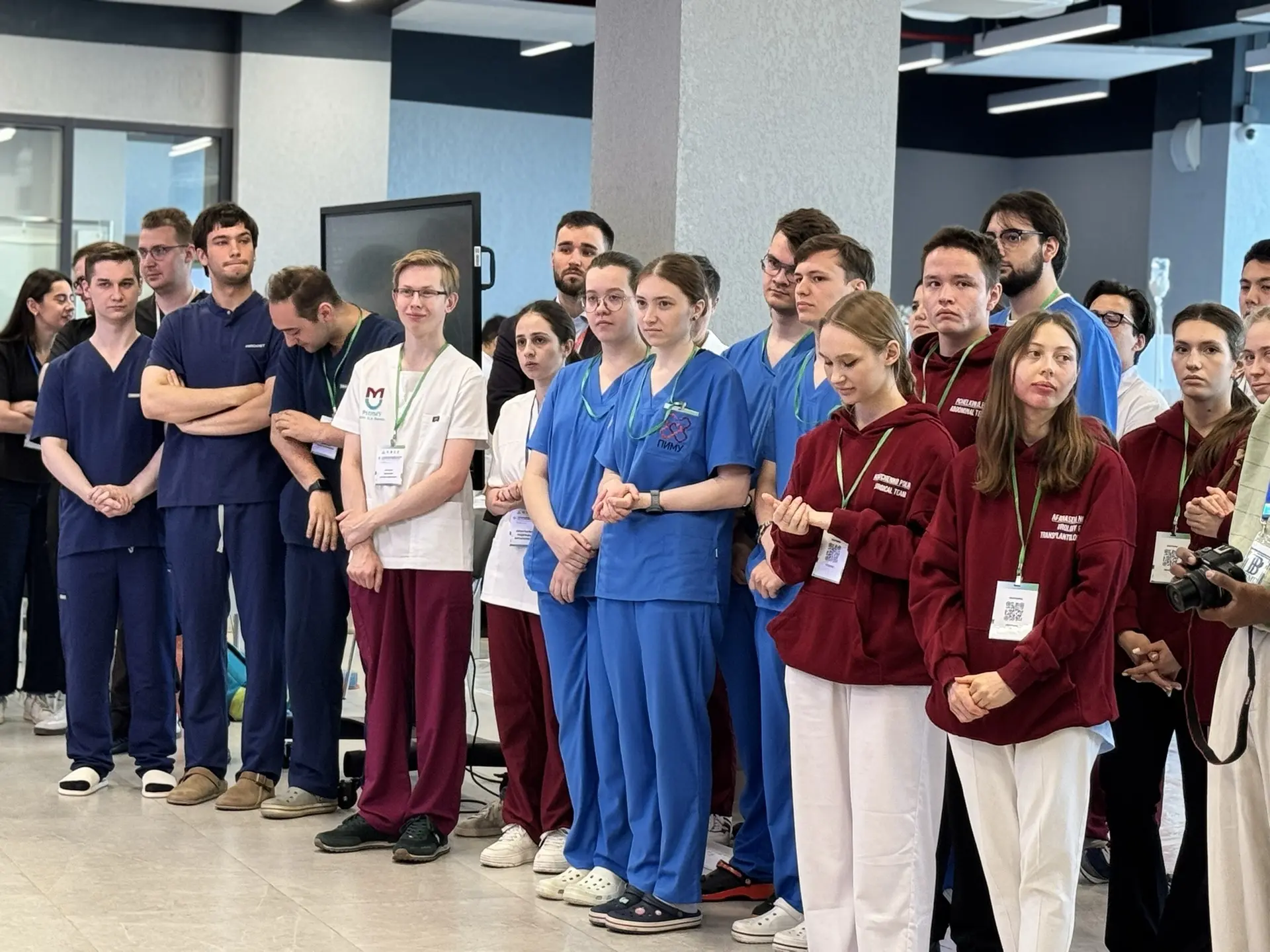
The VETLAB student Olympiad moderated by Professor Alexander Torba acted as a platform for practicing and demonstrating surgical skills. Teams from 10 Russian cities competed in laparoscopic and other complex interventions ranging from uretero-ureteroanastamosis to Boari surgery.
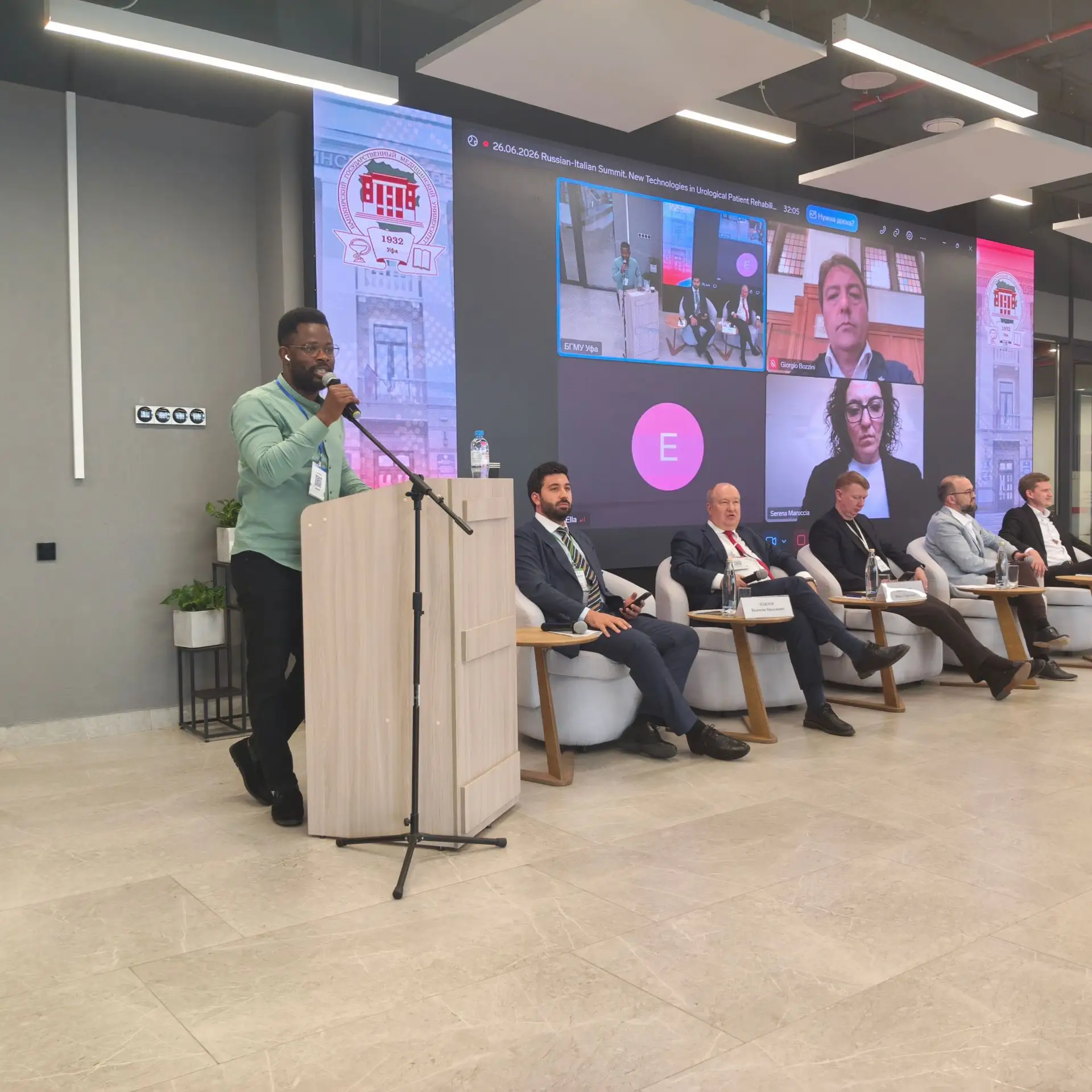
A significant element of international cooperation was the Russian-Chinese and Russian-Italian summits. The events covered key areas of modern urology and became an important platform for the exchange of experience. Experts from different countries shared their experience: from molecular diagnostics and robotic surgery to rehabilitation technologies and promising methods for detecting prostate cancer.
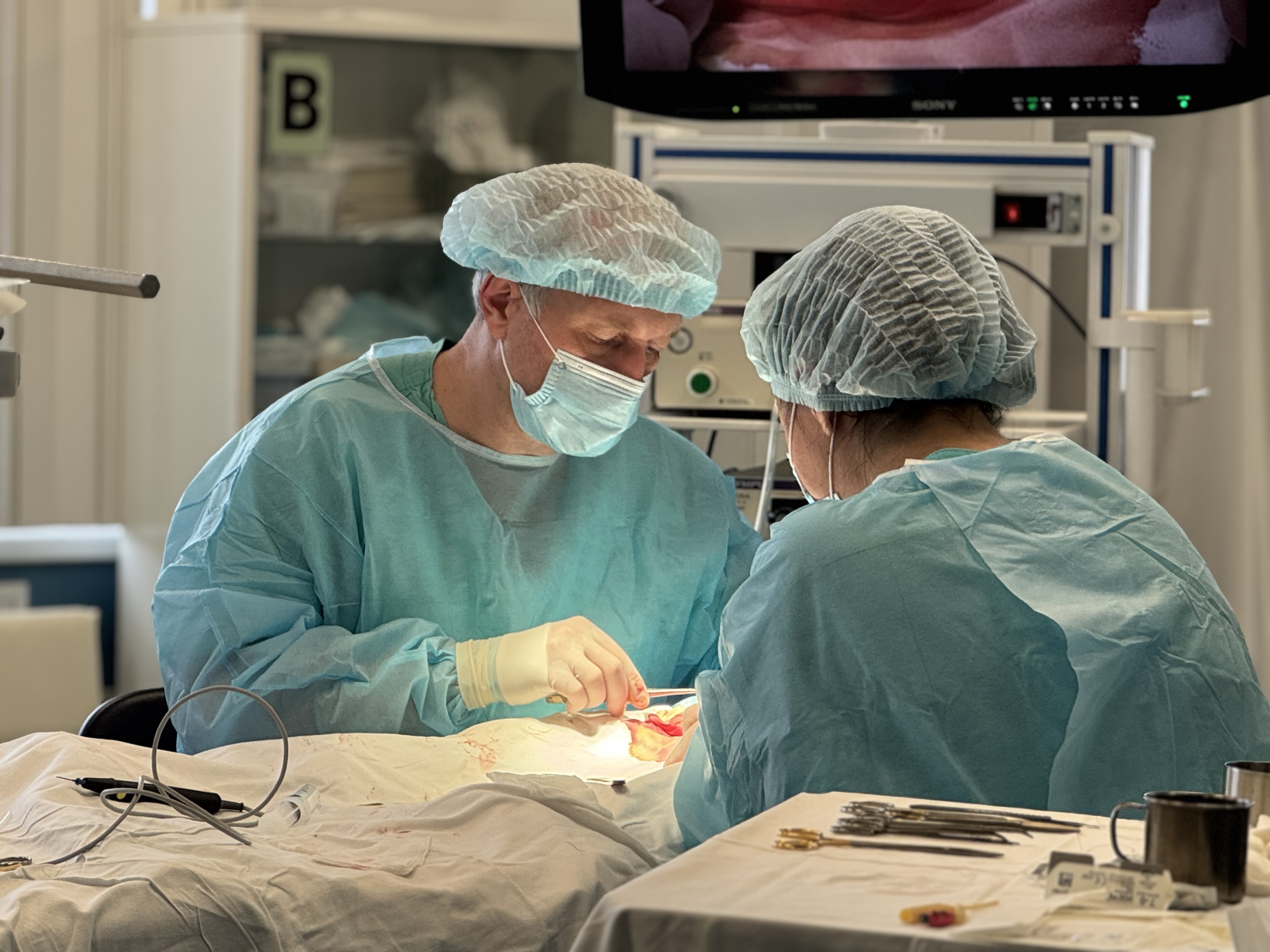
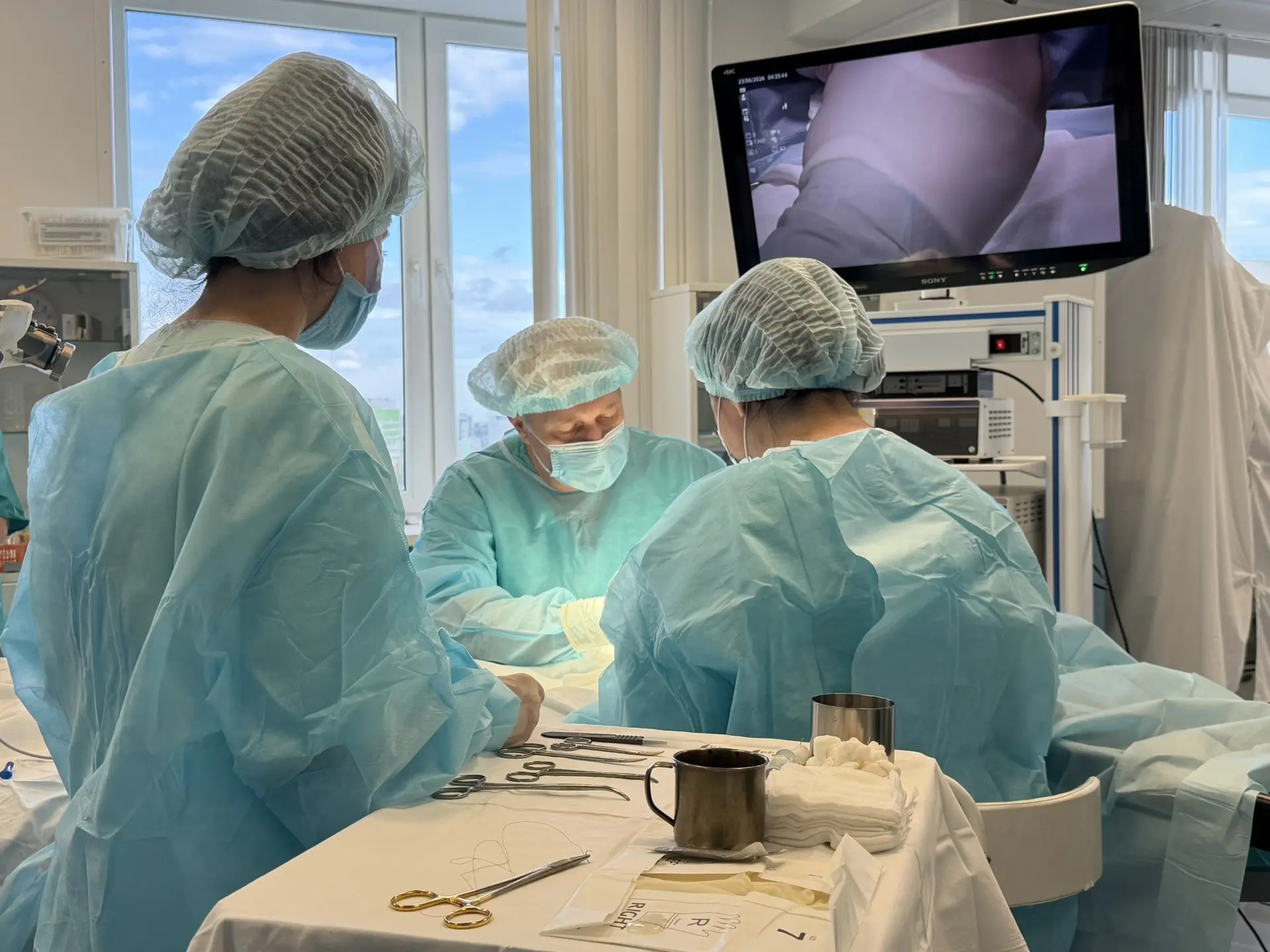
One of the main accents of the Forum was children's urology. For the first time, within the framework of the forum, reconstructive plastic surgery at the site of the Republican Children's Clinical Hospital was performed by the leading urologists of Russia: the chief freelance children's specialist, urologist-andrologist, Professor German Kozyrev performed urethroplasty according to Snodgrass and Brakk), and Professor Matar Asaad Ahmad performed urethroplasty according to Matthew and Brakk).
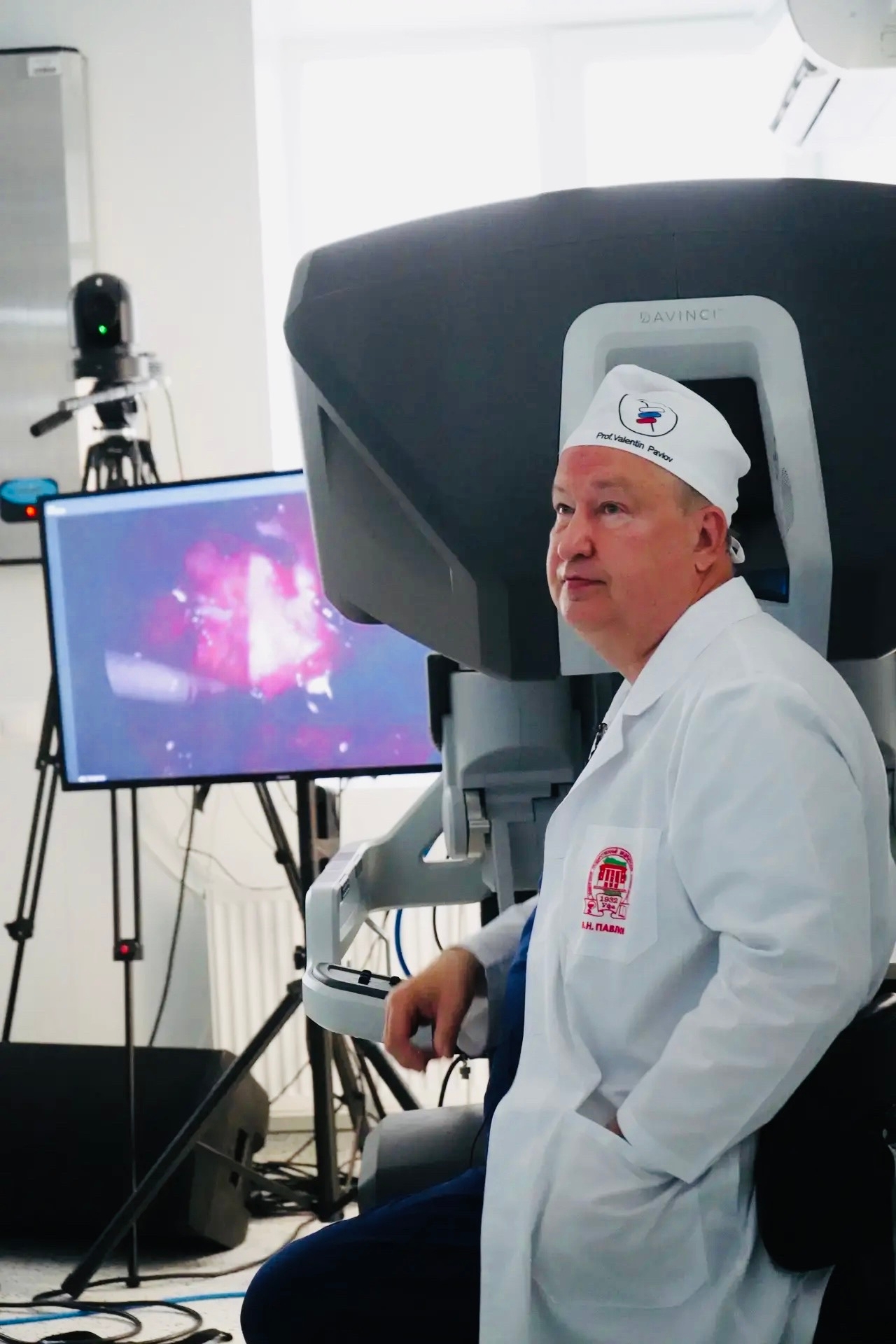
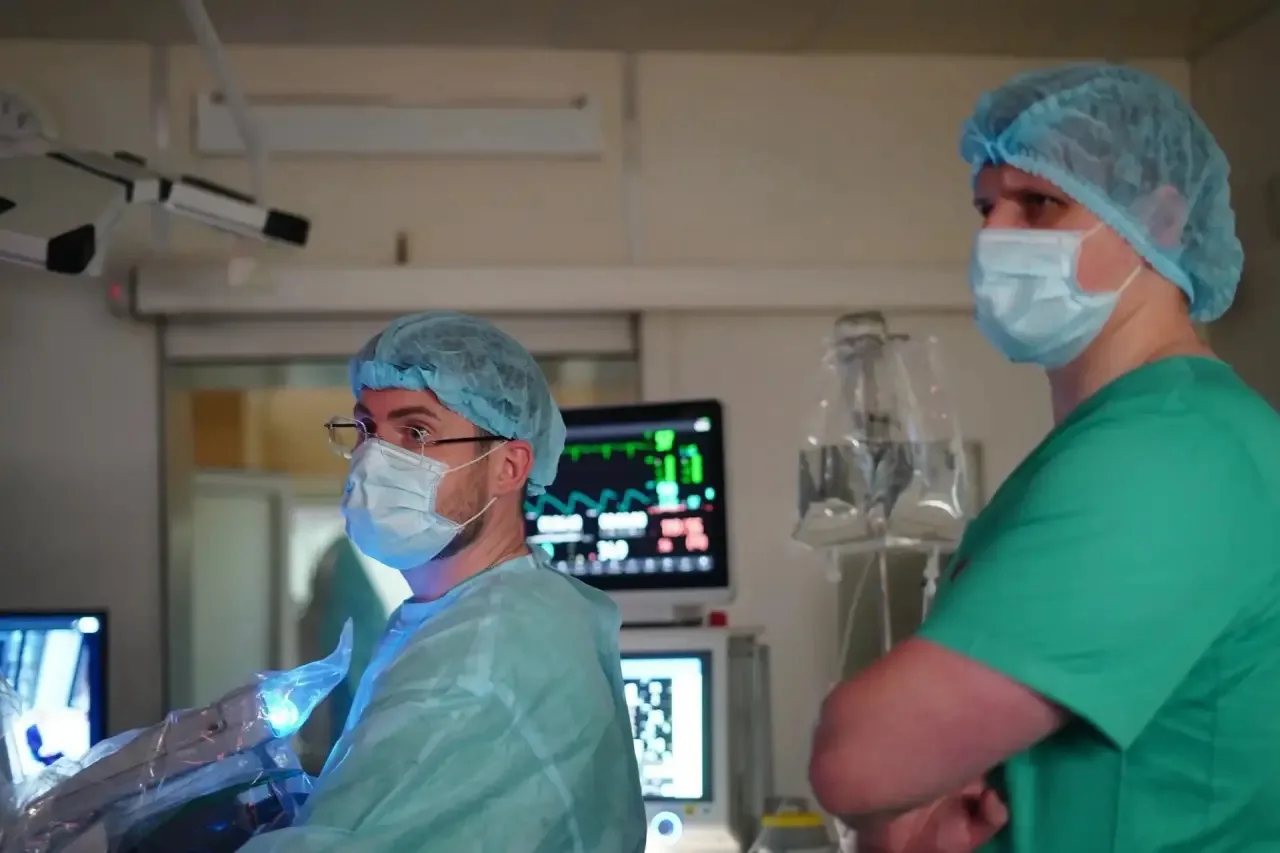
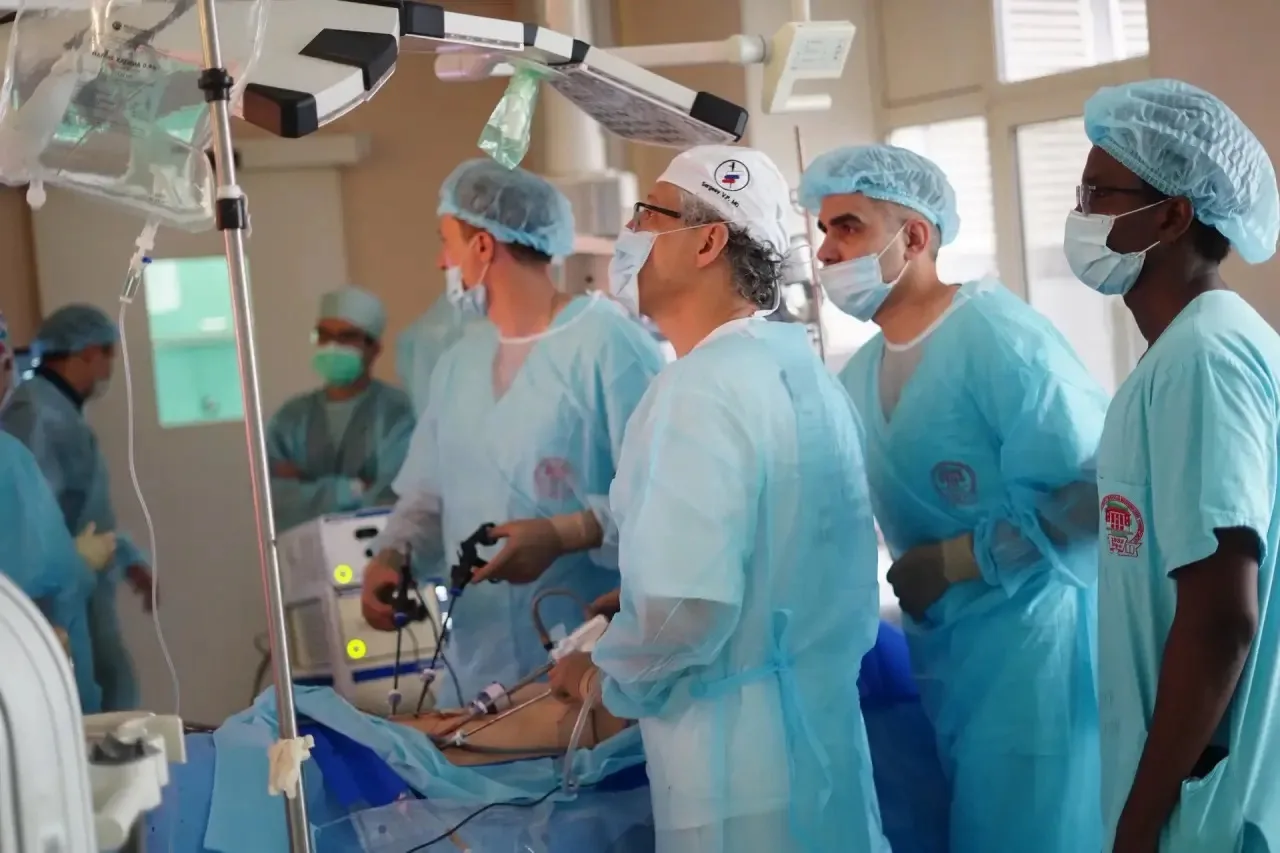
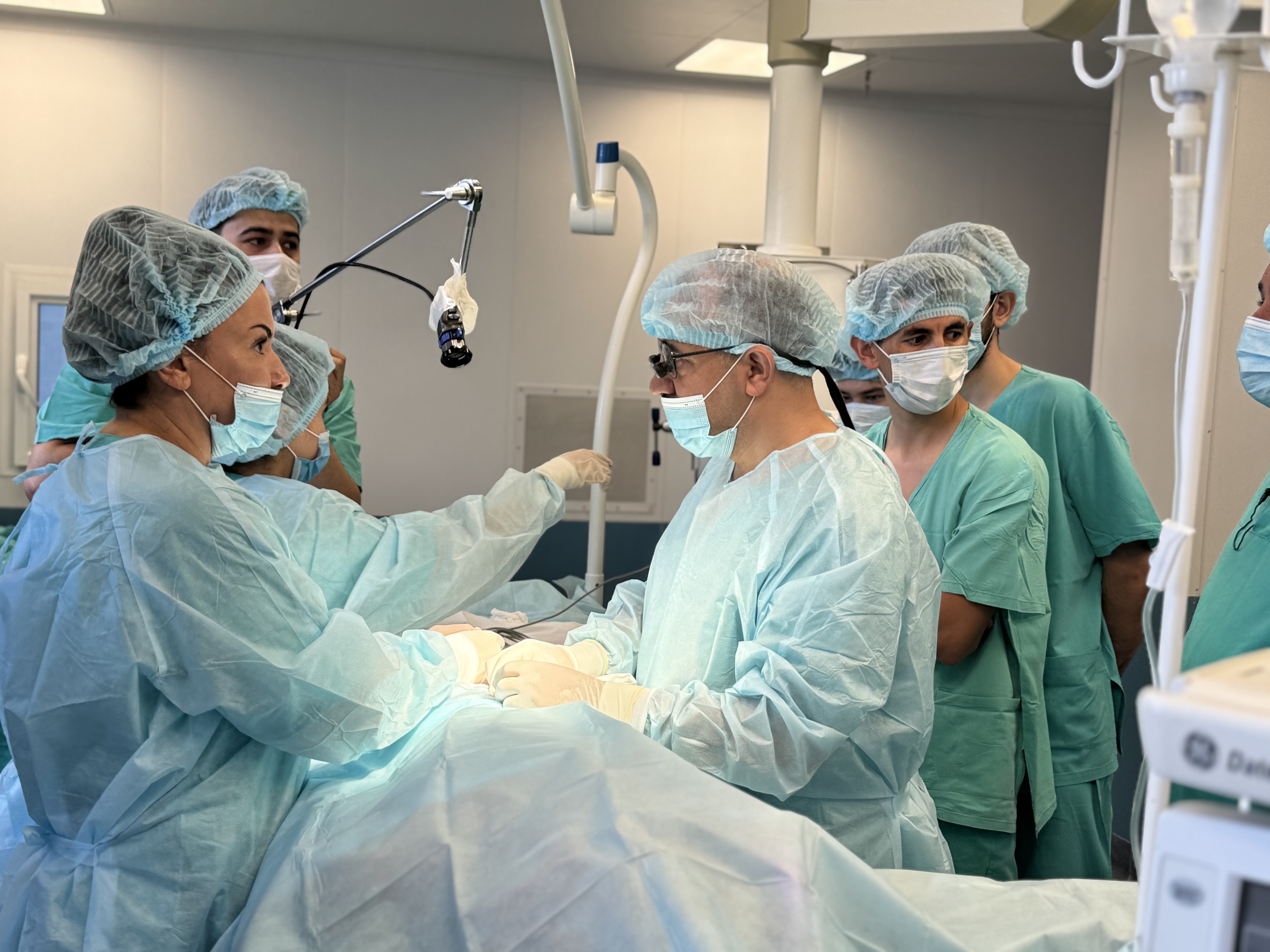
Live surgery sessions also broadcast the most complex surgical interventions from the operating rooms of the BSMU Clinic. Mastery was shared with colleagues and students: Rector of BSMU, Academician of the Russian Academy of Sciences, Professor Valentin Pavlov performed a robot-assisted radical cystectomy with the formation of ileoconduit according to Bricker, urologist, assistant KubGMU Georgy Palaguta - robot-assisted resection of the right kidney, and urologist SSC FF MBC named after A.I. Burnazyan Vladimir Sergeev - laparoscopic radical prostatectomy.
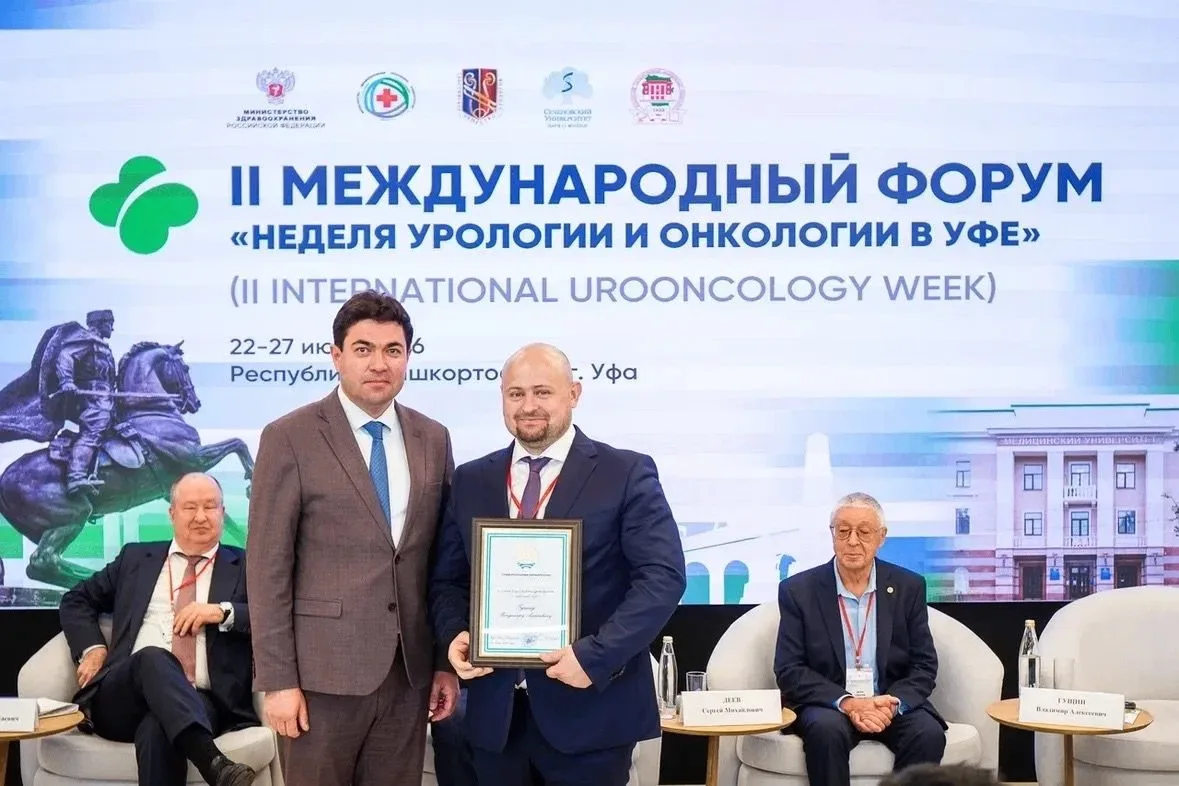
Recently, medical science has been actively developing at the Bashkir State Medical University. So, quite recently, BSMU was included in the advanced consortium for the development of mRNA vaccines by order of the Russian Government. The guest of honor of the forum was the deputy director for scientific work of the N.F. Gamaleya, professor of the Russian Academy of Sciences Vladimir Gushchin. According to him, BSMU of the Ministry of Health of Russia is able to become an active participant in the consortium for the development of mRNA technologies:
"Bashkir Medical University has great potential at the same time in science, education, and clinical practice, which the consortium needs. The laboratory and clinical capabilities of BSMU will help us develop the consortium and look towards other areas. I hope that mRNA technologies will germinate on Bashkir soil thanks to the international cooperation that Valentin Nikolaevich is developing here, and will become a worthy continuation of the development path that the leadership of our country has determined."
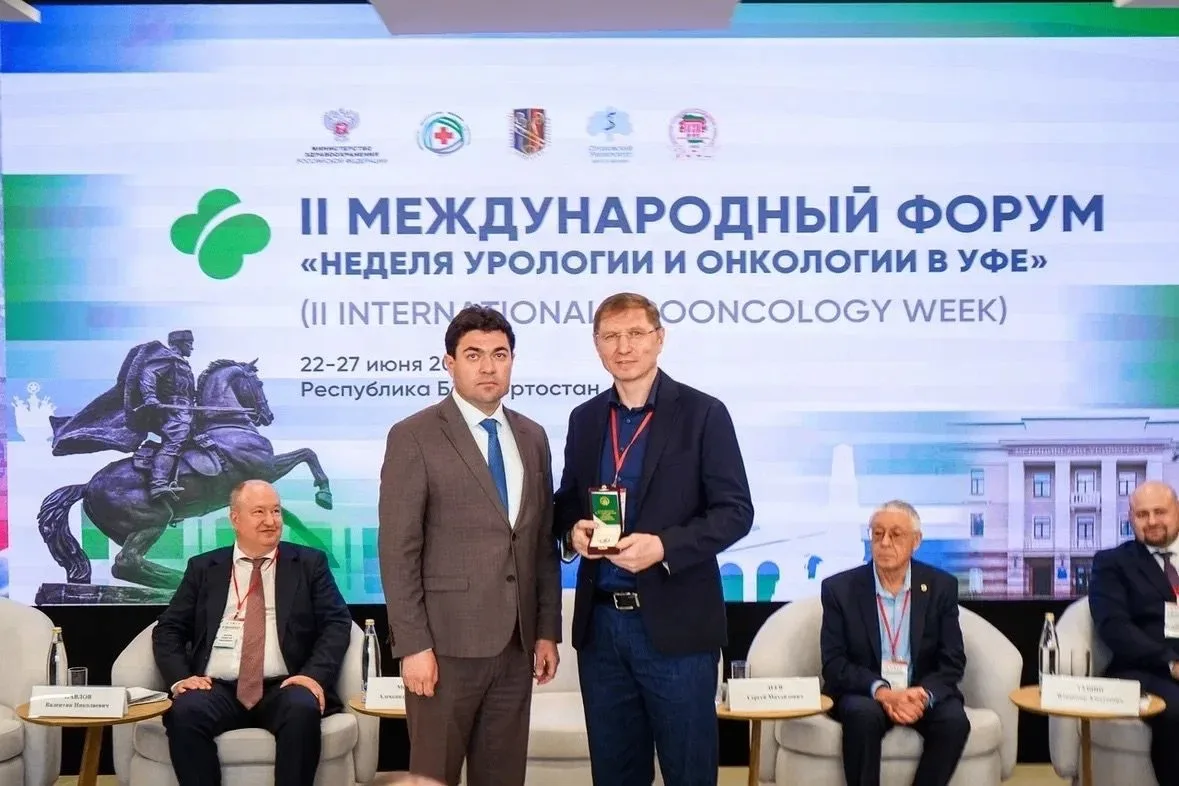
Professor, Chief Researcher of the SSC IBCh RAS Sergey Deev noted that modern medical science is distinguished by multidisciplinarity and rapid translation of fundamental scientific achievements into clinical practice. "The organized forum illustrates this brilliantly," he stressed. "Such events help our science to benefit people faster."
For five days, the forum participants listened to the act lectures of leading scientists and practitioners, connected to sectional meetings, scientific seminars. A separate track on children's urology was organized especially for foreign students.