11.07.2025
Big science has been developing at the Institute of Fundamental Medicine for a year
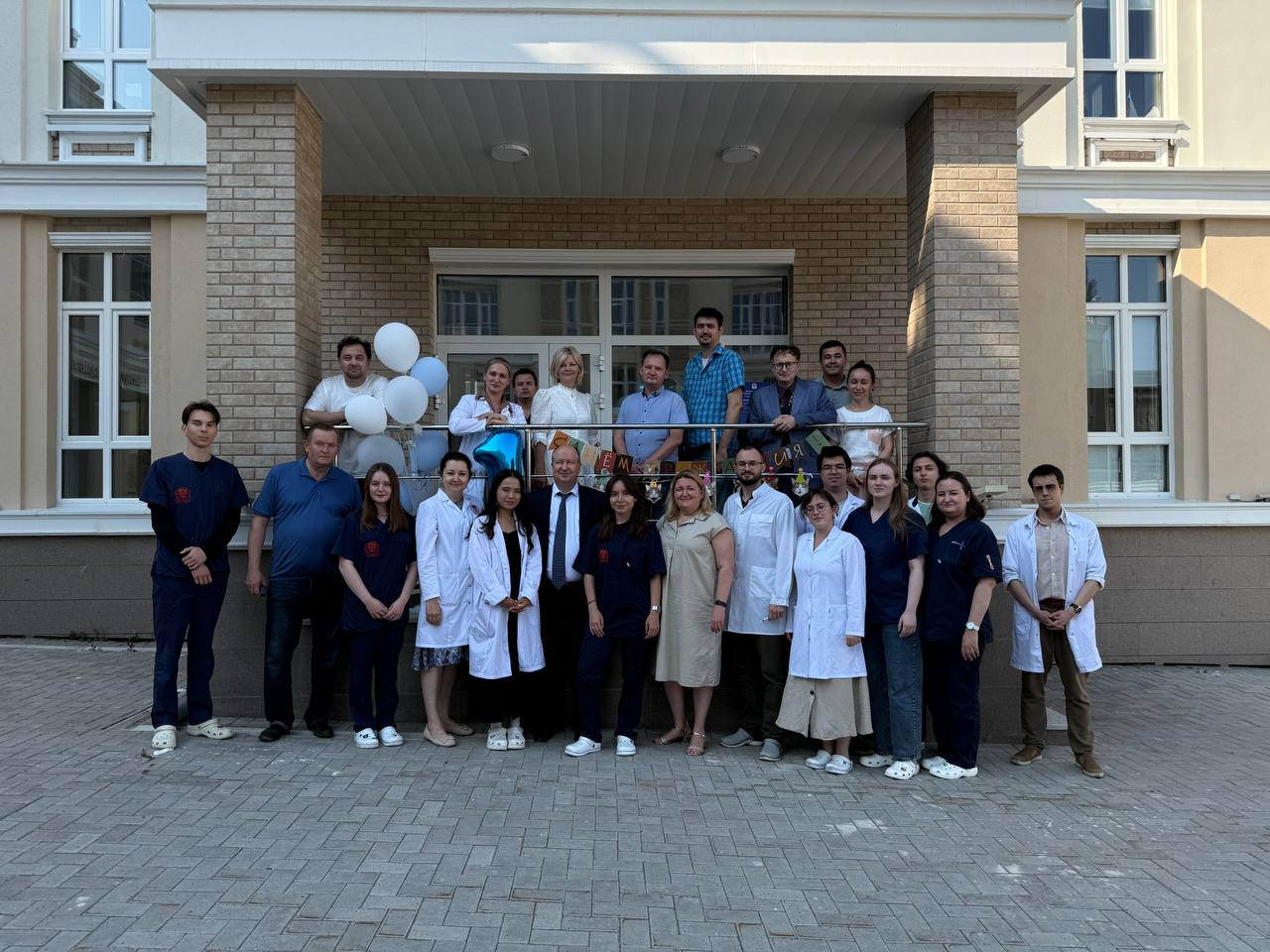
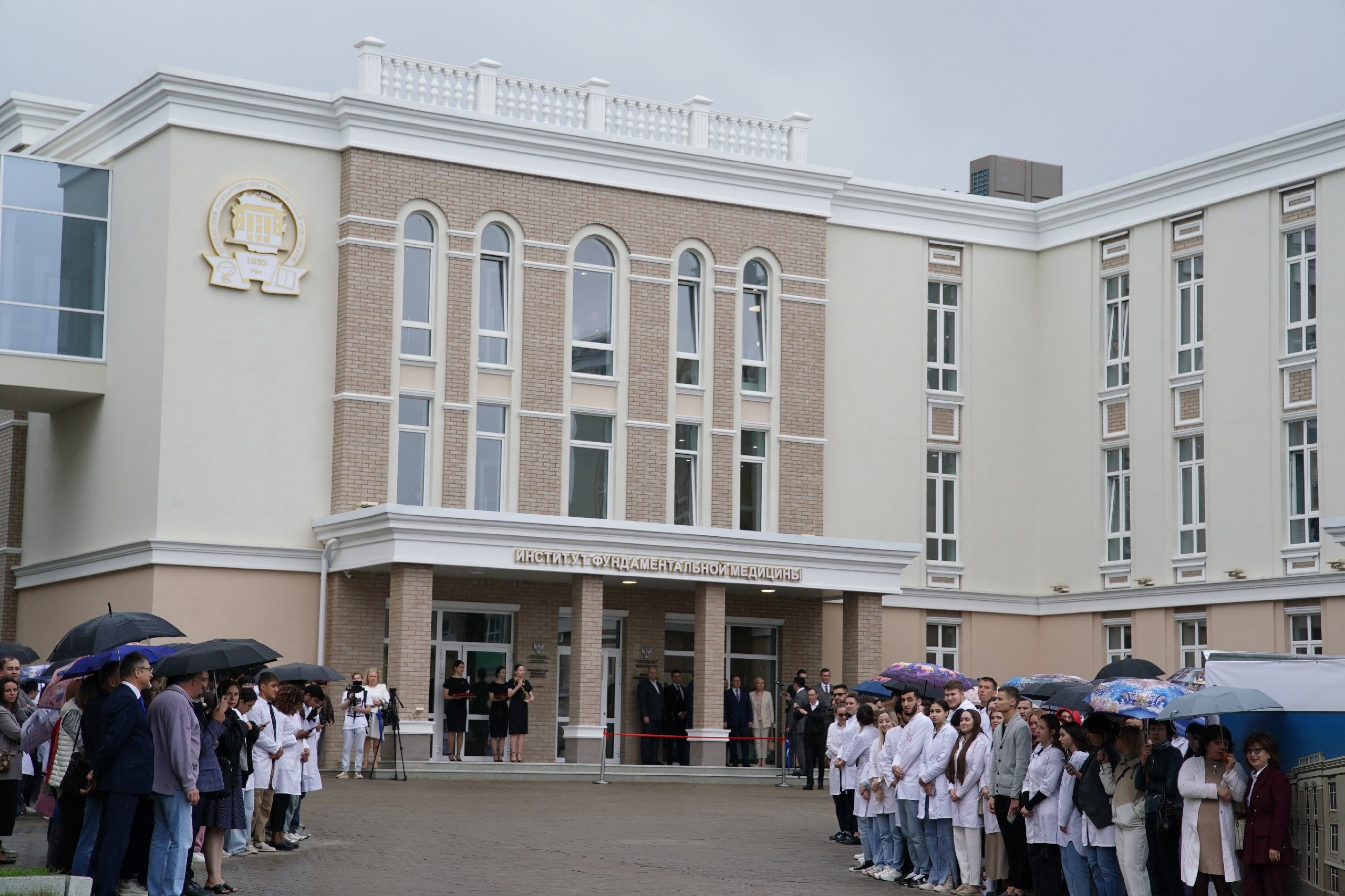
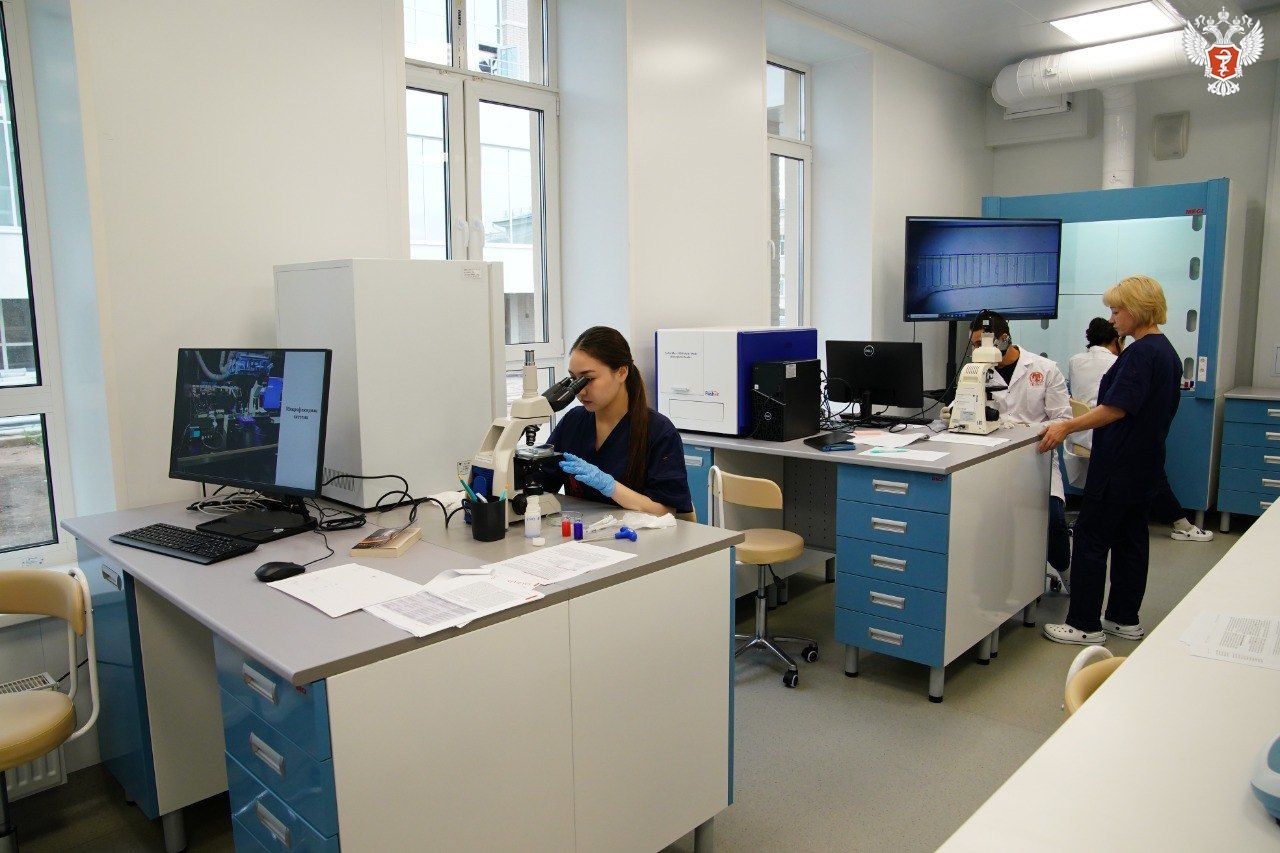
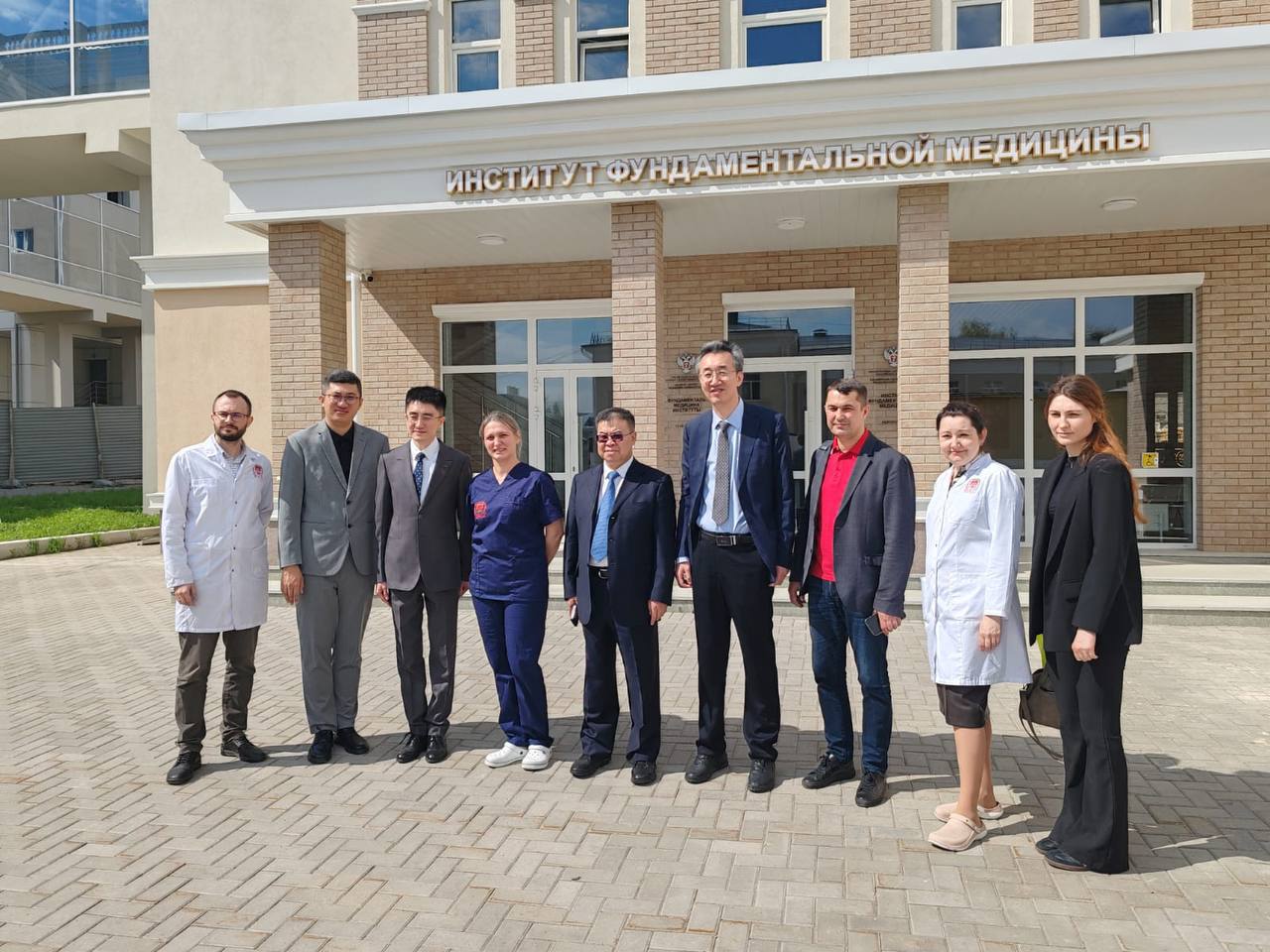
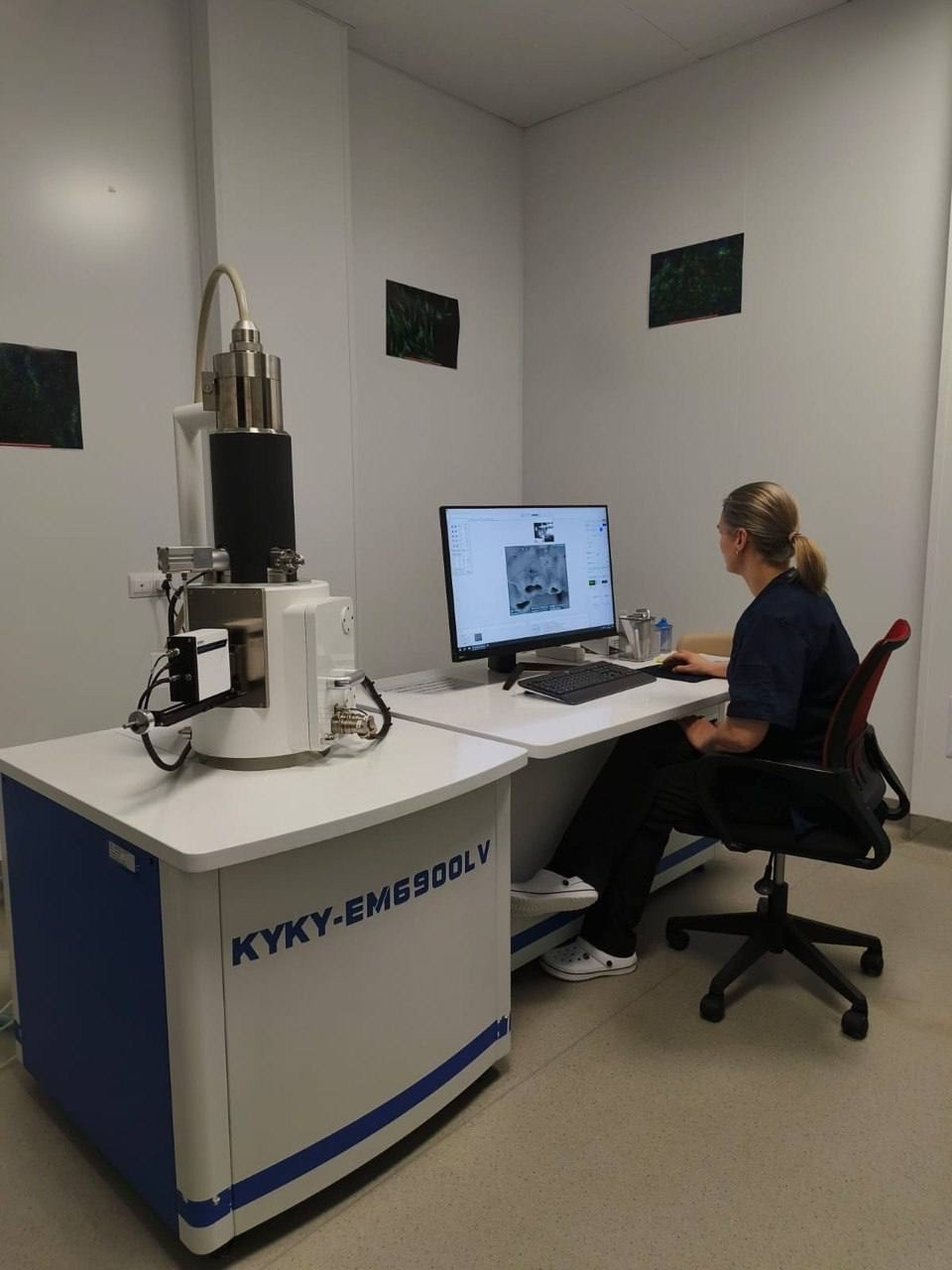
A year ago, on July 12, a new building of the Bashkir State Medical University was opened in Ufa. The Institute of Fundamental Medicine began working in it, specializing in basic scientific research in the field of biology, medicine and bioengineering. Three-story BSMU building with an area of 3 thousand square meters includes 6 scientific laboratories. As part of the Priority 2030 program, the university is actively developing the institute, focusing on fundamental knowledge and scientific research. During the year of the Institute's work, the staff of researchers increased by 30%, and these are mainly young scientists - students and graduate students. Scientific articles have been published, master's thesis performed on the basis of Laboratories have been successfully defended and serious scientific results have been implemented.
For 365 days of work, the Institute has become the basis for breakthrough scientific projects and a point of attraction for world scientists.
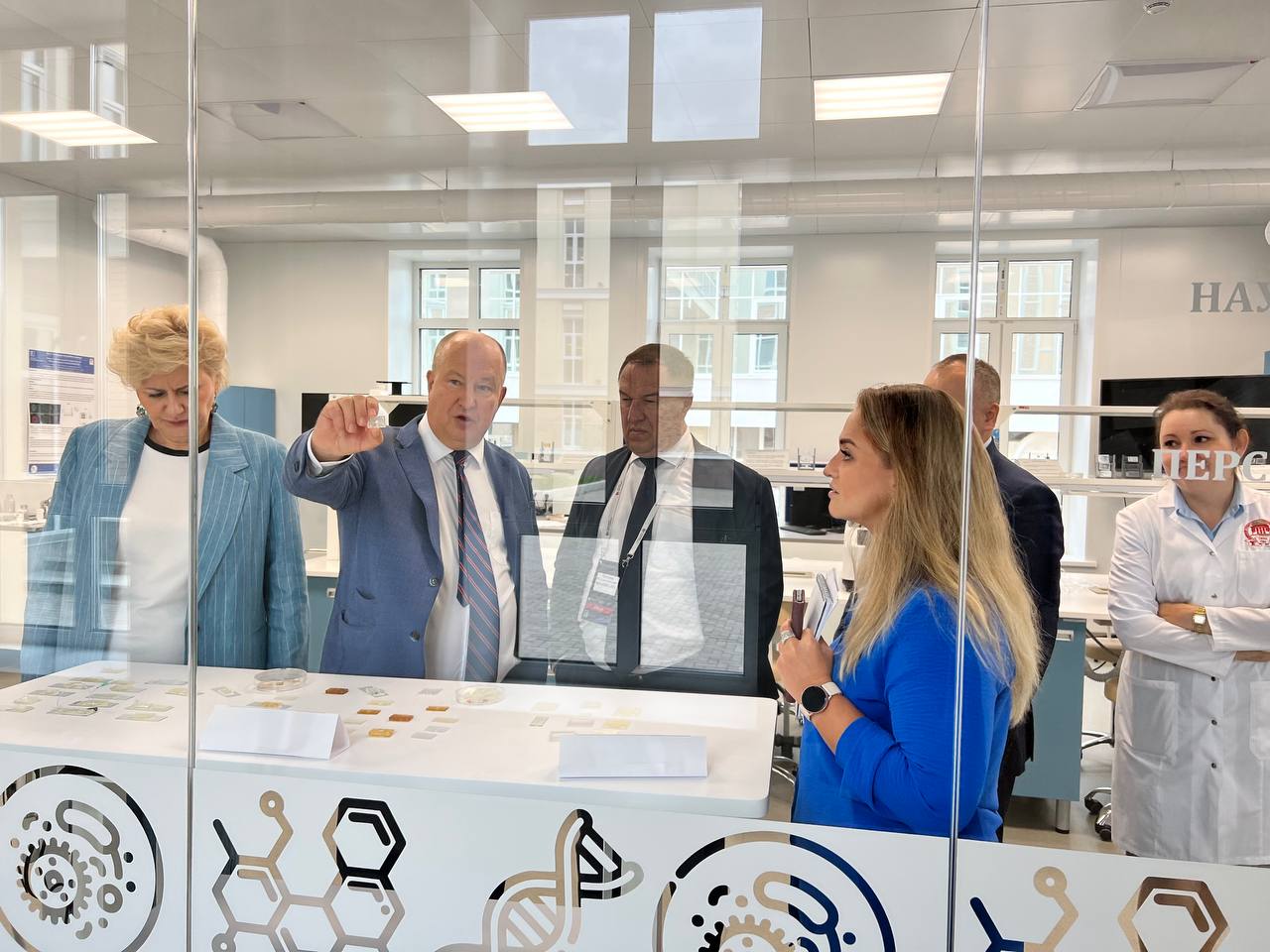
"We become a research university, we become an international center of science. And the opening of the Institute of Fundamental Medicine with the opening of new scientific laboratories allows us to look beyond the horizon - new directions are working to obtain medical knowledge and medical technologies of tomorrow. Today the country needs new own medical products, new knowledge, medicines. The Institute of Fundamental Medicine has become a scientific basis and created the conditions for our talented guys to bring their most daring ideas to life," - Rector of BSMU Academician of the Russian Academy of Sciences, Professor Valentin Pavlov.
Over the past year, the Laboratory of Bioengineered Test Systems for Personalized Medicine has begun to develop towards an interdisciplinary direction - now it is a microfluidics laboratory. The laboratory is headed by a physicist who applies the most advanced knowledge brought from an internship in Singapore in his work. And now a team of scientists is conducting research at the intersection of biology and physics in order to screen drugs in the laboratories of BSMU. Physicists make modern test systems - microfluidic devices, and specialists in the field of biology grow cells inside the microchannels of devices that imitate the walls of blood vessels of human organs.
The Bioprinting Laboratory conducts problem-oriented scientific research in the field of tissue engineering, biomaterial science to find new solutions for the development of regenerative medicine. The main project of the laboratory is the creation of a composite bone-cartilage bioimplant to replace bone-cartilage defects in osteoarthritis, post-traumatic injuries. Now scientists have selected the best samples based on hydroxyapatite with the best cell survival rates, mechanical properties and internal structure. Over a year of work, the laboratory staff has successfully mastered the method of forming chondrosferoids, which demonstrate high expression of markers of cartilage tissue (aggrecan and type II collagen), which confirms their potential for use in tissue engineering. In the future, scientists plan to print the cartilage construct and combine it with the bone part for subsequent implantation of a laboratory model in order to assess regeneration.
The Natural Materials Laboratory specializes in creating an innovative biomaterial based on web silk for use in regenerative medicine and tissue engineering. Female spiders of the genus Chilobrachuc dyscolus live in the laboratory. Daily laboratory staff examine the threads of tarantula spiders brought from Southeast Asia — Vietnam. During the laboratory, scientists conducted experiments on simulating sciatic nerve damage in animal models to assess the regenerative potential of a web silk-based conductor. Positive research results have been obtained, which makes it possible to continue experiments on large animals in order to assess regeneration in extended defects of peripheral nerves.
The Cell Culture Laboratory scientists are working to create innovative cell technologies for regenerative medicine, immunology, oncology, and create cell test systems for personalized diagnostics, therapy and preclinical research. Over a year of work, scientists have mastered the technology of creating organoids from cells of a malignant tumor of the prostate gland. Note that in Russia there are only 2 scientific groups that successfully practice the creation of organoids for prostate cancer. The knowledge gained will form the basis of clinical guidelines for the treatment of patients with prostate cancer. Currently, using organoids, scientists are working to create a reproducible minimally invasive test system to assess the effectiveness of anti-cancer drugs. Particular attention is paid to the work on the creation of a matrix-free system and the cultivation of organoids of prostate cancer.
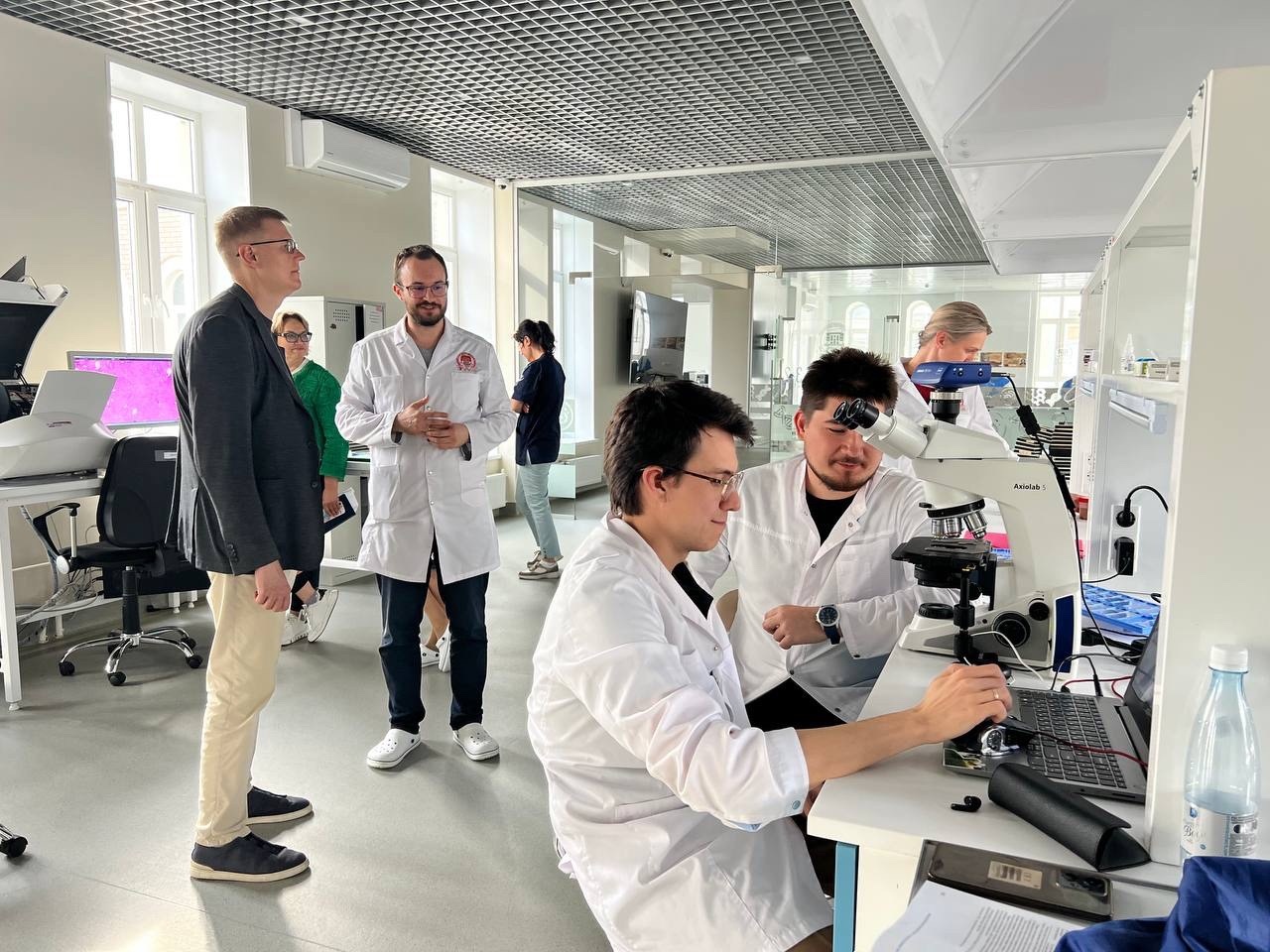
The Morphology Laboratory deals with three main tasks: science, clinical work and education. Scientists are analyzing innate immunity in prostate cancer and looking for new targets for immunotherapy. The laboratory participates in major projects of the Priority-2030 development program - CDK8/19 inhibitors for castrate-resistant prostate cancer, the development of a composite bone-cartilage bioimplant and biomaterial based on web silk, and the creation of a cardioplegic solution. On the basis of the laboratory, classes with students, scientific practices and summer schools, as well as master classes are held.
The Laboratory of Chromatographic and Spectral Research Methods is engaged in the identification of markers of pathologies such as cancer markers for prostate cancer, markers of cardiovascular pathologies, analysis of the composition and purity of radiopharmaceuticals, and also conducts quality control of drugs and pharmaceutical substances.
The acquisition of Chinese hamsters (a rodent from the genus Cricetulus) became a symbol of the continuation of breakthrough research by our scientists at the Institute of Fundamental Medicine. Chinese hamster ovary cells are widely used in biotechnology production: to create recombinant therapeutic proteins. Research with such a laboratory model will help to reach a new level of development of regenerative medicine projects. The proteins of these animals have a human-like post-translational modification and proper folding of the protein-high performance. Thanks to the new hamsters, it is planned to obtain cell lines from freshly isolated tissues not only of the ovary, but also of other organs in order to use these cells for the production of proteins, for example, spidroins.